We use cookies to make your experience better. To comply with the new e-Privacy directive, we need to ask for your consent to set the cookies. Learn more.

How to Make Material Handler Electrician Jobs Easier
August 19, 2025
|
Categories: Blog
An electrician material handler (alternatively, a material handler electrician) ensures that the correct electrical materials are moved efficiently from storage to the point of installation. It’s not an easy job: They must have an understanding of logistics and considerable experience to tackle this role, as every decision that an electrician material handler makes could impact the rest of the work.
As a result, employers have strong incentives to prevent turnover — and the easiest way to limit burnout is to provide people with the material handling equipment (MHE) they need to do their jobs safely.
That also cuts into a potentially astronomical cost for employers: The warehousing and construction industries are among the most dangerous, per the National Safety Council (NSC), and ergonomic hazards are the leading cause of worker injuries (and subsequent workers' compensation insurance claims).
Great MHE will help construction electricians stay safe while also making their jobs much easier. Let’s look at a few ways that the right equipment can make a big difference (and keep material handler electricians working efficiently).
Choosing MHE Designed for Electrician Material Handlers
To find MHE that makes sense, we need to explore the types of materials that electricians deal with on a daily basis. That includes:
- Wire and Cable: Large spools and reels of electrical cable require significant force to transport, position for payout, and manage during wire pulls. A single reel can weigh thousands of pounds, which makes manual handling exceptionally hazardous.
- Conduit: Handlers must transport long, heavy, and bulky bundles of rigid steel, aluminum, or PVC conduit. Carrying these 10-foot lengths through narrow job site corridors, up stairwells, and around obstacles is a common cause of strain and injury.
- Switchgear and Transformers: These components are dense and heavy (and they represent a significant capital investment). They demand precise, stable handling to prevent costly damage to the equipment and to mitigate the severe crush hazards they pose to personnel.
- Lighting Fixtures and Components: Lighting fixtures are lighter (pardon the pun), but they’re often moved in bulk quantities. That leads to repetitive lifting, carrying, and awkward postures.
When MHE is designed for the materials at hand, it’s more effective. You can use a standard lift truck to move conduit, or load lighting fixtures onto a standard order picking cart — but that doesn’t mean that the general-duty equipment will move the materials efficiently or safely.
The Challenge: Moving Bulk Conduit Safely and Efficiently
Manually carrying bundles of rigid conduit is a textbook example of a high-risk ergonomic task. It combines extreme force with an awkward, often twisted posture, resulting in a dangerously high Lifting Index and a significant risk of back and shoulder injuries.
And as MH electricians know, the 10-foot length of conduit makes it difficult to navigate through the tight aisles, doorways, and corners of a typical job site. Without dedicated equipment, it’s a recipe for disaster.
Solution: Conduit Carrier Carts
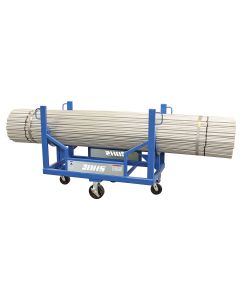
With heavy-duty steel frames rated for capacities from 3,000 lb up to 6,000 lb, the BHS Conduit Carrier Cart completely eliminates the need for hazardous manual lifts. It allows an entire run of conduit to be moved in a single, safe trip, providing an immediate boost to productivity.
- Job Site Accessibility: The carts feature an exceptionally narrow frame design, with some models as slim as 19 inches. They can bring materials directly to the point of installation, minimizing the time-wasting and secondary handling.
- Load Stability and Security: The design incorporates half-circle end braces that cradle the conduit and integrated steel tie-down plates for securing the load with straps. Heavy bundles won’t shift or spill during transport.
- Ergonomic Operation: Four welded steel handles and a combination of fixed and swiveling high-quality phenolic casters are designed to reduce the force required to push and maneuver the cart, even when fully loaded.
The Challenge: Dispensing Wire from Multiple Heavy Reels
Parallel wire pulls require dispensing wire from multiple, heavy reels simultaneously. Creating a makeshift setup on the floor is time-consuming, physically demanding, and often results in unstable reels that can tip over.
That also means that makeshift solutions are inefficient! If you need multiple workers to safely manage wire pulls, you’re wasting time and energy.
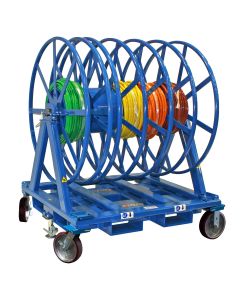
Solution: Parallel Reel Payout (PRP)
The PRP transforms a chaotic and laborious task into a streamlined, efficient process.
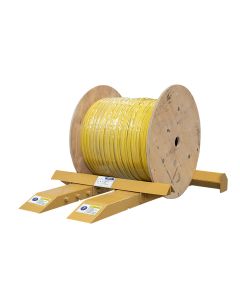
The unit is designed to hold multiple reels, each on its own independent, free-spinning axle. The design allows for a smooth, snag-free, and simultaneous payout from several reels at once, dramatically speeding up complex wire pulls and ensuring a quality installation.
- Unmatched Stability: The PRP’s heavy-duty steel construction provides a solid, stable platform that will not tip, shift, or walk during high-tension pulls. It delivers a consistent, even pull, preventing damage to the cable insulation.
- Mobile and Flexible: Equipped with both fork pockets and heavy-duty casters, the entire loaded unit can be easily transported around the job site by a forklift or pushed manually by a single person.
The Challenge: Lifting and Moving Large, Heavy Reels
Lifting and transporting large, industrial-sized reels of cable is one of the highest-risk activities on an electrical job site or in a supply house. Attempting to lift these objects manually or with improvised slings and chains creates a severe risk of injuries.
Solution: Reel Handler Attachment (RHA)
The Reel Handler Attachment is a powerful engineering control that turns any forklift of sufficient capacity into a specialized reel-handling device.
- Eliminates Manual Lifting: As a dedicated forklift attachment, the RHA removes the worker from the lift entirely. Its tapered tines slide easily under a reel, and adjustable, locking front stops secure it for transport.
- Safe and Secure Transport: The attachment provides a secure, stable grip on reels of various sizes, preventing them from shifting, rolling, or falling during movement.
- Optimizes Storage Space: By mechanizing the handling of heavy reels, the RHA enables facilities to take advantage of vertical storage space. Reels can be safely placed in and retrieved from high-bay racking, a task that is impossible and unsafe with manual handling methods.
The Challenge: Transporting Unstable Coils of Wire
Loose coils of NM-B/UF-B cable or smaller spools of wire are awkward and inefficient to transport. They are easily dropped, can unspool during transit to create tripping hazards, and often result in tangled, wasted material.
Carrying them by hand is a repetitive, low-load task, which can be dangerous (and frustrating) for material handler electricians.
Solution: Wire Coil Cart (WCC)
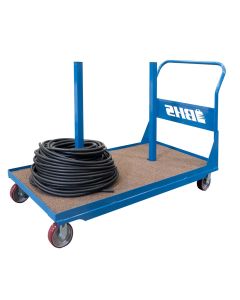
The WCC provides a simple, organized solution. It’s designed with multiple vertical spindles or posts that hold individual coils securely in place.
The ergonomic handle allows a single material handling electrician to safely and easily move multiple coils at once. That reduces the number of trips required to distribute materials across a job site, which saves money (and reduces strain).
The Challenge: Moving Heavy, High-Value Transformers
Transformers, switchgear, and distribution boxes are extremely dense, heavy, and expensive. An accidental drop during transport can result in thousands of dollars in equipment damage and significant project delays — and needless to say, it’s exceptionally dangerous.
Solution: Transformer Cart (TC)
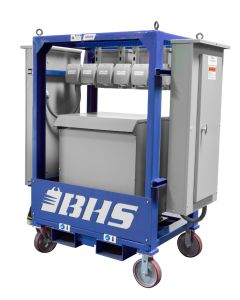
The Transformer Cart provides a portable distribution panel for powering heavy equipment. Integrated fork pockets and an easy-steer combination of rigid and swivel casters provide simple transport.
- Purpose-Built Protection: The TC is specifically engineered to carry, support, and protect transformers during movement. Its design provides a stable, secure platform that dramatically minimizes the risk of a drop.
- Controlled, Stable Movement: The cart's heavy-duty frame and robust casters allow for the smooth and controlled transport of a very heavy, top-heavy object. Fork pockets allow the unit to be transported with a forklift, and brakes on the casters prevent rolling.
The Challenge: Small-Scale, On-the-Fly Reel Mobility
For smaller jobs, finish work, or final circuit runs, electricians often need to move a single, moderately heavy reel around an installation area. While not as heavy as bulk reels, repeatedly carrying these spools from room to room is inefficient and still poses a cumulative ergonomic risk.
Solution: The Reel Taxi®
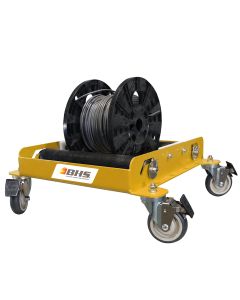
The Reel Taxi® is an easy-to-deploy roller platform for spools with diameters between 12 and 24 inches. Designed primarily for Cat 5, Cat 6, and other data cable, Reel Taxis improve productivity and ergonomics during common wiring jobs.
- Effortless Mobility: The Reel Taxi transforms a strenuous one-person drag or an awkward two-person carry into an easy, one-person roll.
- Ultimate Portability: The device is small, lightweight, and can be easily stored in a work van and deployed instantly on any job site.
- Safe for Materials: Poly-coated rollers enhance durability and prevent damage to spool flanges, while poly guards on the interior of the frame protect spools during travel and payout.
Find Dedicated Solutions for Electrical Material Handling
Many material handling challenges require custom solutions. Whether you’re working with unconventional cable, navigating tight aisles on a compact worksite, or transporting raw materials for a special project, we’re here to help.
Contact a Solus Group material handling expert today to discuss specific operational needs and begin building a safer, more productive, and more profitable operation. Call 314-696-0200 or send us a message.
Related Products