We use cookies to make your experience better. To comply with the new e-Privacy directive, we need to ask for your consent to set the cookies. Learn more.

From Farm to Compost: 4 Ways Material Handling Contributes to Sustainability
July 29, 2025
|
Categories: Blog
Where your food comes from matters, how it’s processed is even more important, but where it ends up might have the most significant impact of all.
According to the World Wildlife Fund, about one-third of all the food produced in the United States is discarded before it even leaves the farm. That’s an estimated 1.4 billion tons of food that never see the surface of a dinner table. This creates a significant environmental impact with the amount of energy and resources it takes to produce, process, transport, prepare, and store.
Where does all that wasted food end up?
In the United States alone, food comprises about 24% of total waste, making it the single largest category of material in municipal landfills. Rotting away, those scraps release methane – a greenhouse gas even more dangerous than carbon dioxide. Across the entire supply chain – from field to disposal – the Environmental Protection Agency estimates annual food loss and waste generate emissions equivalent to those of 42 coal-fired power plants.
Luckily, there are efforts being made around the clock (and around the world) to mitigate these environmental damages, and those efforts are aided even more with the help of material handling equipment.
1. Limiting the Waste of Crops
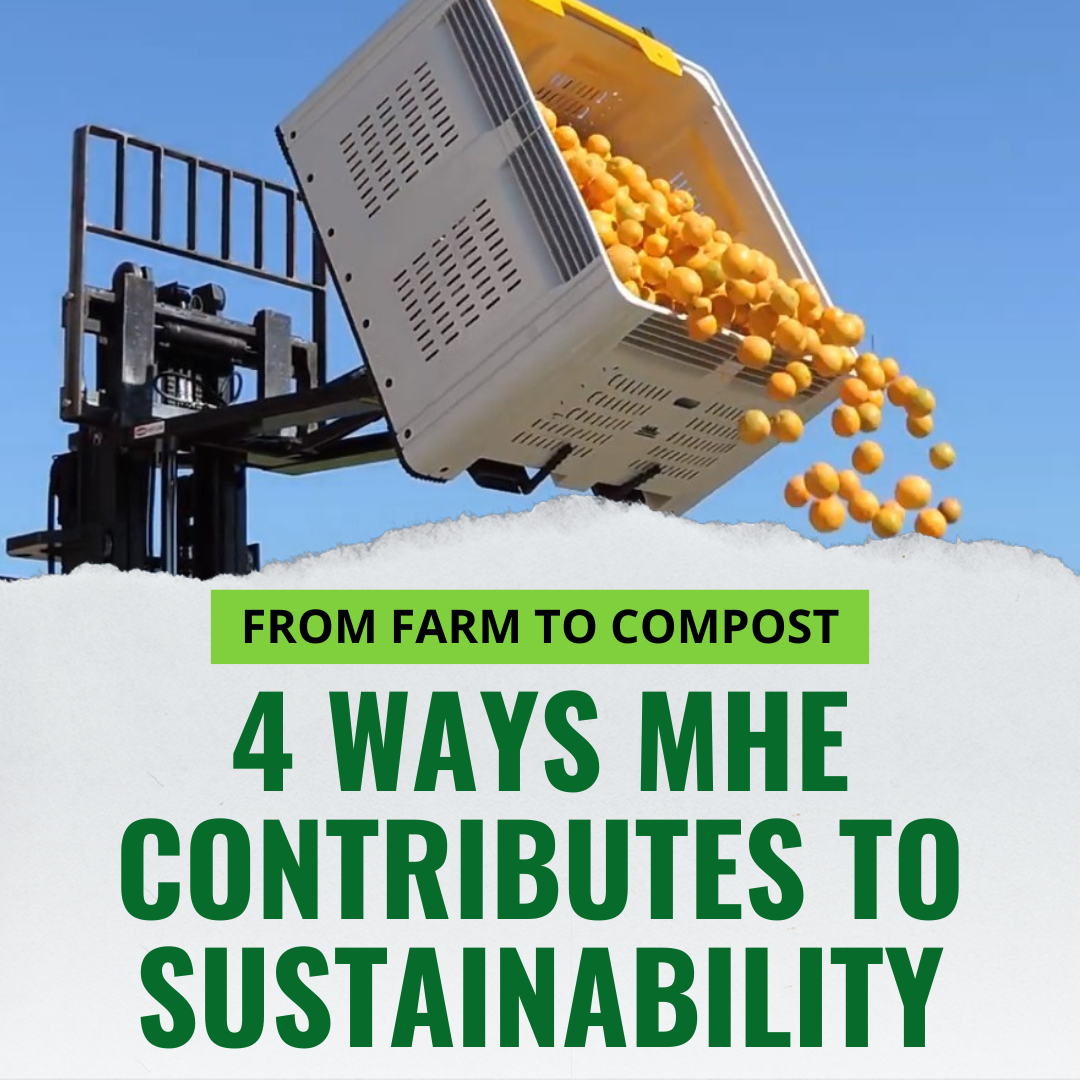
To combat these staggering statistics, companies like Solus Group contribute to sustainability with products such as the Forward Bin Tipper, made specifically to transport bulk bins of fresh produce without harming the produce.
Safer than standard gondolas, this hydraulic forklift attachment is gentle on bins and ensures smooth maneuverability of delicate materials, preserving the integrity of farmers’ treasured corps.
2. Boosting Productivity in the Food Industry
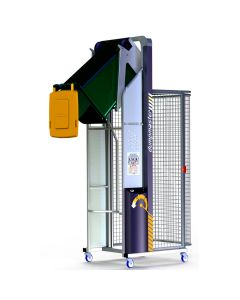
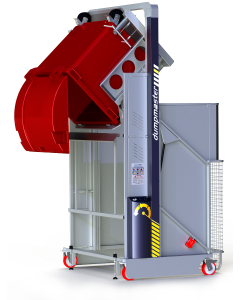
Common duties of food production lines often include dumping ingredients into designated hoppers several times a day. These repetitive tasks can lead to musculoskeletal injuries while on the job. To ensure an ergonomically safe work environment, companies are incorporating Bin Dumpers into their existing systems to remove that risk to their employees.
With a unique lift-and-tip action, multipurpose Bin Dumpers have been proven to reduce manual strain and some models can even dump two bins at once with their adjustable Bucket Cradle attachments, allowing for double the production value in half the time. This boost in productivity helps streamline food preparations and delivery while at its freshest.
3. The Safe, Ergonomic Choice for Waste Management
Separating food waste into different streams, like scraps and packaging, is crucial for efficient waste management and diversion from landfills. Following current recycling regulations, scraps are to be placed in designated bins for transfer elsewhere.
Whether they’re nestled deep in the processing lines or kept outside with the dumpsters, Bin Dumpers can tip all kinds of bins including roll-out trash cans, drums, and industrial containers. They make waste handling a breeze and offer value anywhere that requires frequent dumping of bulk materials.
4. Repurposing Food Waste
Remaining food waste can be repurposed to create compostable fertilizer to fuel future crops. Recycling operations can look different depending on the industry but typically involve the same assembly of machines.
Kean University implemented a hopper and composting vessel inside their greenhouse to accrue the vast amount of food waste being produced on campus. These scraps, typically gathered by student workers within their dining halls, are mixed with kiln-dried wood shavings sourced from a local woodworking business and run through the composter to research the produced soil’s ability to support plant growth.
Recognizing the need to improve process safety, Kean University incorporated the Dumpmaster as a “potential inclusionary device” for future iterations. Production efficiency gains support their overall goal of reconnecting with and giving back to the farmers that started it all.
Learn how your operations can join the ranks of environmental preservation with material handling equipment by calling 314-696-0200 to speak with a member of Solus Group.
Related Products
Dumpmaster® Hydraulic Bin Dumper
For pricing, contact us by calling 314-696-0200 or Request a Quote.
In stock
MegaDumper® Hydraulic Bin Dumper
For pricing, contact us by calling 314-696-0200 or Request a Quote.
In stock