We use cookies to make your experience better. To comply with the new e-Privacy directive, we need to ask for your consent to set the cookies. Learn more.

Material Handling Solutions for Safe E-waste Recycling
September 10, 2025
|
Categories: Blog
E-waste recycling is the process of collecting electronic devices and recovering material for reuse. This ensures the hazardous components that are typically found within these products are handled safely, minimizing their environmental impact.
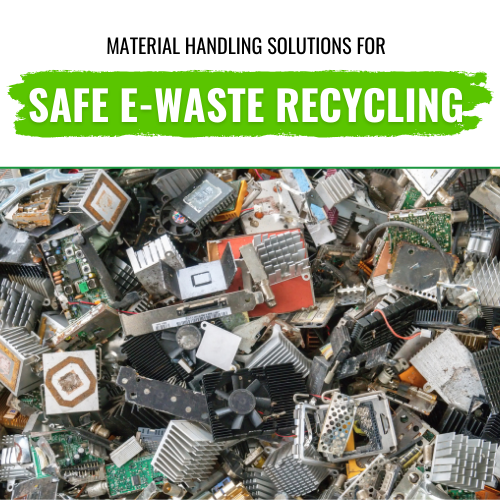
The process looks like this:
- Collection: E-waste is gathered through various channels, including collection points and scheduled pick-ups.
- Sorting and Dismantling: Items are then sorted and certain components are manually or mechanically removed (such as batteries and circuit boards).
- Shredding: The remaining e-waste is shredded into smaller pieces to facilitate further processing.
- Separation: This shredded material is separated into different categories using methods like magnets (for ferrous metals), eddy currents (for aluminum), and other techniques (for plastics and glass).
- Material Recovery: The separated materials are processed and prepared for reuse in new products. This includes recovering valuable materials like gold, silver, and copper.
- Hazardous Waste Management: Parallel to this process, specialized procedures are also used to safely manage and dispose of hazardous components like batteries, mercury, and other toxic materials to prevent environmental contamination.
In today’s tech-savvy world, there are plenty of electronics that are recyclable, including: computers, tablets, cell phones, televisions, radios, and other smart devices.
Handling these materials can pose risks to workers, such as injuries from lifting and moving heavy objects, or eye injuries from sharp objects flying from shredders. A good safety program can help workers avoid these hazards, by using the proper equipment that can help minimize stress on the body.
Prioritizing Safety in Electronic Waste Recycling
Employers are responsible for providing a safe work environment for their staff by keeping up with regular inspections, providing safe tools and equipment, and training workers about the hazards of the job and informing them of preferred safe work practices. Staff also have a responsibility for their own safety by wearing Personal Protective Equipment (PPE) and reporting unsafe conditions to their supervisors or safety committees.
Here are a few steps you can take to ensure a safe work environment:
- Provide protective equipment such as cut-resistant gloves and eye protection to employees.
- Require safety glasses for tasks including disassembly, shredding, compacting, and glass handling.
- Reduce noise by minimizing vibration of the work table, which can be done by placing a layer of plywood or rubber matting on the table. Always require hearing protection (ear plugs or muffs) in noisy areas to prevent hearing loss. Employers should also provide hearing tests for employees.
- Electronic waste can be heavy and difficult to handle, causing muscle strains. Repetitive or forceful motions can lead to injury. Providing material handling aids such as dollies, hand trucks, and Bin Dumpers to operation lines alongside shredders and grinders can prevent muscular injuries.
Applying Bin Dumpers in Electronic Recycling to Enhance Safety and Efficiency
Bin Dumpers, also known as Bin Tippers, can be integrated into various stages of the electronic waste recycling process. This material handling intervention plays a significant role in improving the safety and efficiency of the work place. These Bin Dumpers provide numerous benefits, including:
- Reduced Risk of Injury: Manually lifting and emptying heavy bins of e-waste can lead to musculoskeletal disorders (MSDs) and other injuries. Bin dumpers automate this process, eliminating the need for strenuous manual handling and protecting workers.
- Enhanced Efficiency: Bin Dumpers streamline the process of transferring e-waste from collection bins into larger containers or processing machinery. This reduces labor time and increases throughput, allowing for more efficient e-waste processing.
- Improved Consistency: Powered bin dumping ensures a consistent and controlled transfer of materials, minimizing spills and maximizing the efficiency of the overall recycling process.
- Handling Diverse E-Waste Containers: Bin Dumpers are versatile and can be customized to handle various sizes and types of e-waste containers, from standard bins to specialized receptacles.
- Collection and Storage: After e-waste is collected at drop-off points or facilities, Bin dumpers can be used to empty smaller collection bins into larger storage containers for transport.
- Pre-Processing: Bin Dumpers can efficiently transfer e-waste into shredders, balers, or other equipment for initial processing and material separation.
- Material Transfer: Container dumpers facilitate the movement of sorted e-waste components (like plastics, metals, and circuit boards) between different stages of the recycling process, such as from sorting stations to dedicated processing lines.
- Waste Disposal: Finally, Bin Dumpers can be used to empty residual waste or unusable materials from the recycling process into dumpsters for proper disposal.
How to Know if You’ve Chosen the Correct Bin Dumper for Your Operations
There are several factors to consider when choosing a Bin Dumper for your e-waste recycling operations. Consider bin compatibility, the maximum weight of loaded bins, and the required tipping height of your application. Dumpers are also available in powered or manual operation. Employers should also prioritize the safety features of these machines by researching the various safety guards, enclosures, and other features designed to protect operators during the dumping process.
To learn more about which Bin Dumpers can become a valuable tool in your e-waste applications, contact an expert at Solus Group by calling 314-696-0200.
Related Products
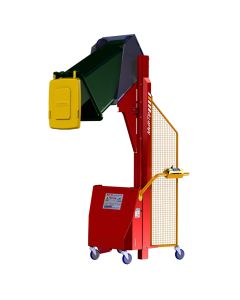
Multi-Tip® Hydraulic Bin Dumper
For pricing, contact us by calling 314-696-0200 or Request a Quote.
In stock
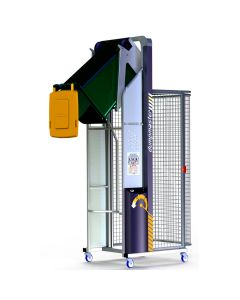
Dumpmaster® Hydraulic Bin Dumper
For pricing, contact us by calling 314-696-0200 or Request a Quote.
In stock
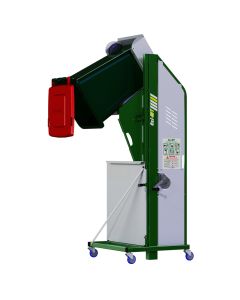
Ezi-MT® Manual Bin Dumper
For pricing, contact us by calling 314-696-0200 or Request a Quote.
In stock
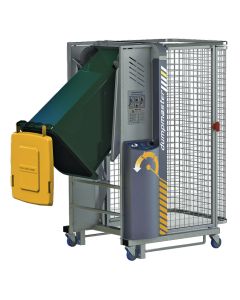
Dockmaster Hydraulic Bin Dumper, 27.5" tip height
For pricing, contact us by calling 314-696-0200 or Request a Quote.
In stock

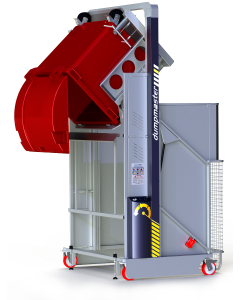
MegaDumper® Hydraulic Bin Dumper
For pricing, contact us by calling 314-696-0200 or Request a Quote.
In stock