We use cookies to make your experience better. To comply with the new e-Privacy directive, we need to ask for your consent to set the cookies. Learn more.

Safeguarding Shredding Operators with Material Handling Equipment
October 2, 2025
|
Categories: Blog
Recycling and manufacturing go hand-in-hand. According to the Recycled Materials Association (ReMa), 70% of the materials processed annually by the recycling industry are used in American manufacturing.
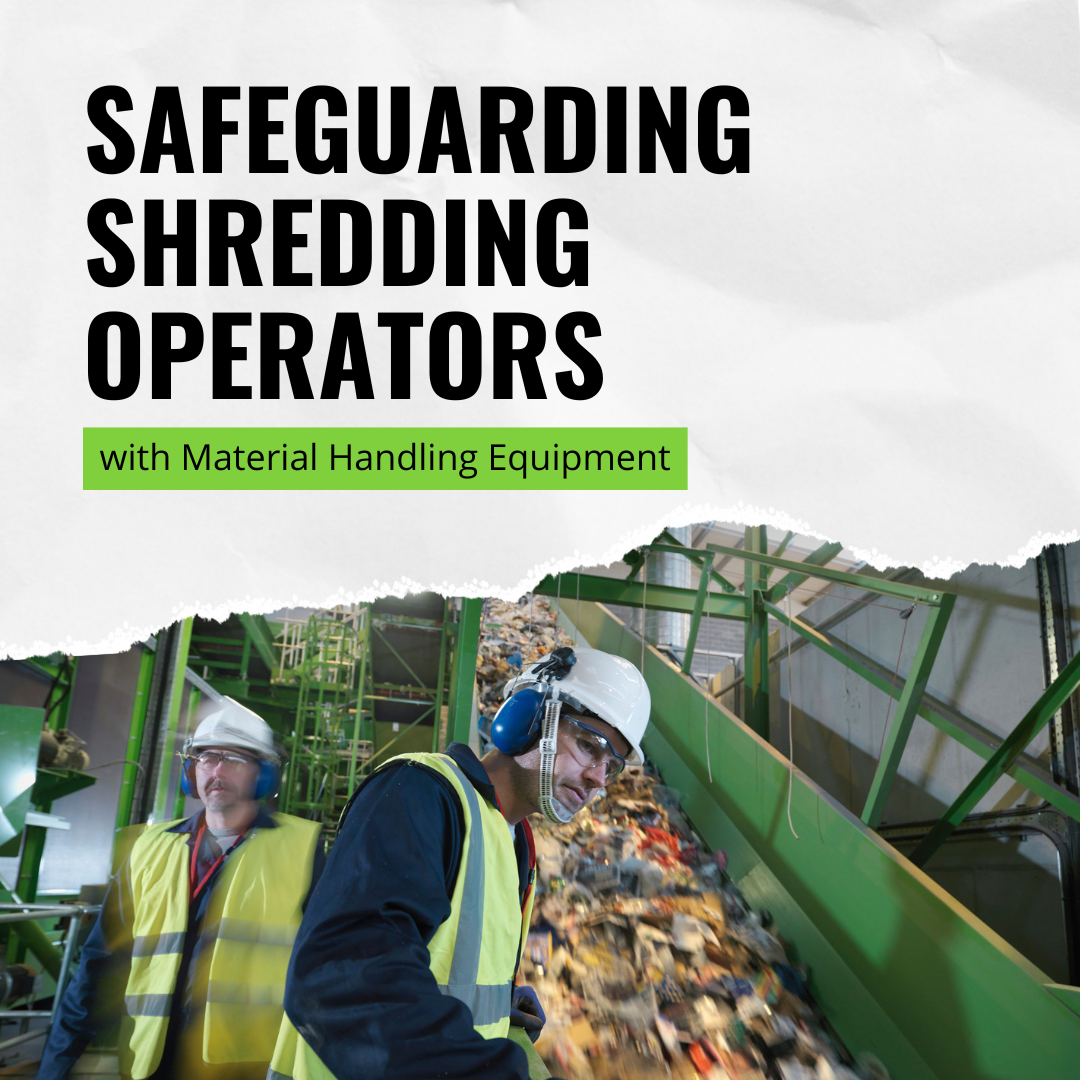
Most of the companies that process recycled materials rely on industrial shredders and grinders to reduce the size of recyclable materials, making them easier to process and handle. These shredders and grinders have various applications, so choosing the machine best suited for your operation is important to optimize worker safety and improve overall efficiency.
Should You Be Using Grinders or Shredders to Handle Your Materials?
While grinders and shredders are primarily used for the same end goal (material size reduction), their usage differs in drastic ways depending on business operations.
Shredders use rotating blades, or “teeth”, to tear and cut material in pre-processing streams while Grinders use a grinding wheel or several blades to pulverize homogenous material into finer products, such as mulch and compost. Shredders are also more energy-efficient than grinders because they operate at slower speeds for efficient processing and to reduce production of dust and noise. On top of that, grinders require more maintenance than shredders because of their continuous, quick rotational speed.
In most cases, facilities will use a combination of both shredders and grinders, with shredders coming before grinders in a production line, reducing the size of various materials that are then dumped into a grinder and ground into specialized, uniform products.
What is the Difference between a Slow-Speed Shredder and a Single-Shaft Shredder?
Slow-speed shredders, as their name suggests, operate at lower speeds than typical shredders. They’re designed to perform at a higher torque to be able to tear through tougher materials like those found on construction and demolition sites, or heavily contaminated waste handled by industrial waste processing facilities.
While slow-speed shredders can be single or multi-shafted, a single-shaft (or mono-shear) shredder only uses one rotating blade to break down softer material such as rubber and plastic. These single-shaft shredders are used for a wide range of materials including tires or electrical components that are then broken down and repurposed into anti-fatigue mats or mined for valuable metals.
Which Industries Benefit from Having A Grinder or Shredder?
There are many types of industries that benefit from having a grinder or shredder on their sites.
- Recycling Centers are more apt to use a mono-shear shredder to reduce the size of cultivated materials like plastic bottles, cardboard boxes, and scrap paper but facilities may also use single-shaft shredders to process materials that are too large for traditional grinders. These consolidated materials are easier to transport to partnering companies to complete their recycling process.
- Industrial Waste Processing also has many applications for these single-shaft shredders, using them to shred a variety of streams full of contaminated materials such as pharmaceutical, chemical, and electrical waste.
- Waste Management industries value grinders to refine agricultural waste for composting, while parallel processing slow-speed shredders to reduce the volume of waste needing to be transported to landfills and other disposal sites.
- Construction and Demolition utilize slow-speed shredders to break down construction and demolition (C&D) debris and recover valuable materials.
Shredders and grinders offer a variety of versatile solutions for processing a wide range of materials, making them valuable tools in various industries where size reduction and consistent particle outputs are important. There also added benefits to recycling these processed materials. Companies conserve on energy and resources by reusing materials and reducing the volume of waste sent to landfills.
How Can Companies Ensure the Safety of Workers Handling Shredders and Grinders?
Shredders and grinders can cause serious accidents during both routine maintenance checks and live operations, resulting in injuries ranging from minor lacerations to full blown amputations.
The Bureau of International Recycling’s Shredder Safety Survey found a non-fatal accident rate of 3,100 per 100,000 workers. These accidents can often be attributed to operator errors or unsafe work-place practices.
Since these materials tend to be difficult to handle or potentially contaminated, it’s important to limit human exposure while creating a strong safety culture within an organization.
- Implement Proper Training – While most modern-day shredders come equipped with safety features like touch controls, the most advanced technology in the world can’t stop someone from getting hurt if they don’t know what they’re doing. Maintaining regular training lectures helps ensure that operators and anyone else working in the vicinity of these machines understands potential risks and safety measures.
- Perform Regular Maintenance – keeping a vigilant eye out for damages to the machine before using it can save someone from accidentally getting injured.
- Require PPE – Providing employees with proper personal protective equipment (PPE), such as safety glasses and gloves, can also protect them during operation, material handling, and maintenance checks.
- Implement Preventative Measures - Operating a shredder could cause thrown material to fly from the machine, which could injure or kill the operator and nearby bystanders. Implementing the proper equipment to ensure workers’ safety without sacrificing production value is where Bin Dumpers and Operator Guards can help, which can help separate workers from traditionally hands-on practices by providing protective buffers when lifting and dumping recycling materials into these high powered machines.
Request a consultation to find out how Solus Group’s innovative equipment can improve your operations by calling (314) 696-0200 to speak with a member of our sales team.
Related Products
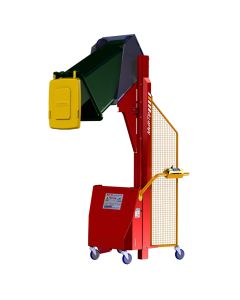
Multi-Tip® Hydraulic Bin Dumper
For pricing, contact us by calling 314-696-0200 or Request a Quote.
In stock
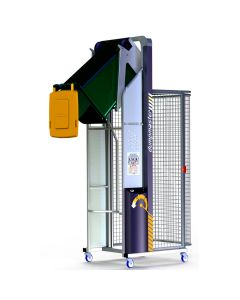
Dumpmaster® Hydraulic Bin Dumper
For pricing, contact us by calling 314-696-0200 or Request a Quote.
In stock
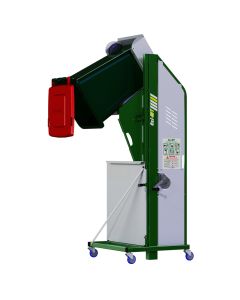
Ezi-MT® Manual Bin Dumper
For pricing, contact us by calling 314-696-0200 or Request a Quote.
In stock
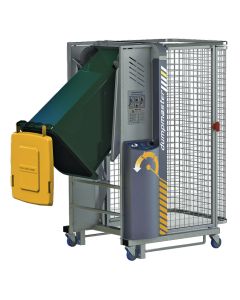
Dockmaster Hydraulic Bin Dumper, 27.5" tip height
For pricing, contact us by calling 314-696-0200 or Request a Quote.
In stock